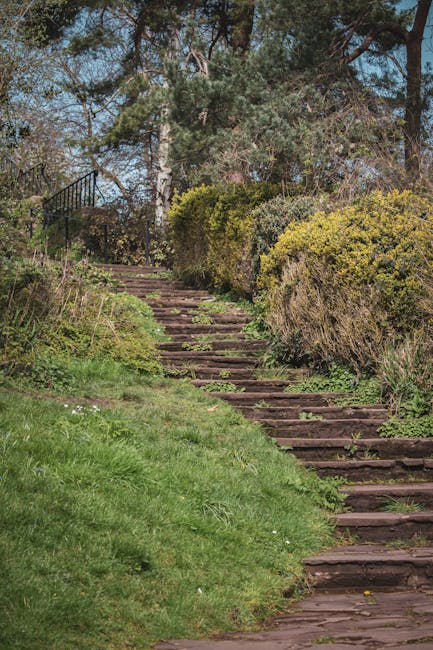
Step by step garden clearance for overgrown plots with gardeners
Overgrown plots can look overwhelming at first glance. Brambles in the corners, waist-high weeds, hidden borders, maybe a broken fence panel or two-truth be told, it can feel like the garden has been given up on. But with the right gardeners and a clear method, even a neglected space can be brought back under control without turning the process into chaos.
This guide on step by step garden clearance for overgrown plots with gardeners explains what happens, why it matters, and how the work is usually handled in a safe, sensible way. Whether you are preparing a property for sale, tidying a rental, rescuing a family garden, or simply trying to see the lawn again, you will find practical steps here that make the job feel manageable.
We will cover the clearing process from first survey to final sweep-up, along with common mistakes, compliance considerations, and how to decide when professional help is the better route. If you need to understand the service side as well, it can also help to review a company's background and approach, plus their health and safety policy before booking.
Table of Contents
- Why this kind of garden clearance matters
- How the clearance process works
- Key benefits and practical advantages
- Who this is for and when it makes sense
- Step-by-step guidance
- Expert tips for better results
- Common mistakes to avoid
- Tools, resources and recommendations
- Law, compliance, standards, and best practice
- Options, methods, and comparison
- Case study or real-world example
- Practical checklist
- Conclusion
- Frequently asked questions
Why Step by step garden clearance for overgrown plots with gardeners Matters
An overgrown garden is not just an eyesore. It can hide trip hazards, block access, harbour damp or pests, and make future landscaping much harder. Once a plot has been neglected for months or longer, the problem tends to compound. What starts as a few weeds becomes deep-rooted growth, self-seeded shrubs, tangled climbers, and areas you cannot safely inspect without proper clearance.
That is why a step-by-step approach matters so much. Instead of attacking everything at once, gardeners work in a sensible order: assess, make safe, cut back, remove waste, and then finish with a proper tidy. This avoids damage to desirable plants and helps keep labour focused where it is most needed. It also means the garden can be made usable again faster, which is often the real goal.
For homeowners, landlords, and estate managers, there is another reason this matters: first impressions. A neglected plot can put buyers off, delay a tenancy handover, or make a property look harder to maintain than it really is. A clear garden can do quite a lot for a place, even before any planting or redesign begins.
Expert summary: The best garden clearance is not just about cutting everything down. It is about making the plot safe, visible, and ready for its next stage without causing unnecessary damage or creating extra work later.
How Step by step garden clearance for overgrown plots with gardeners Works
The process usually starts with an on-site look around. A gardener will check the size of the plot, the type of growth, access points, waste volume, and any obvious risks such as unstable structures, hidden debris, or steep ground. On larger or heavily overgrown sites, that first walk-through can save a surprising amount of time later. It tells the team what equipment is needed and what order makes sense.
From there, the work is broken into stages. The exact method depends on the site, but in many cases it looks something like this:
- Identify anything that must stay, such as mature shrubs, bulbs, wildlife habitat, or boundary plants.
- Clear access paths so the team can move safely around the plot.
- Reduce tall vegetation and pull or cut back invasive growth.
- Remove dead material, fallen branches, and loose waste.
- Sort green waste for recycling, composting, or disposal.
- Finish with raking, edging, and a final check for hazards.
The method is practical rather than fancy. Gardeners are not trying to "perfect" the garden on day one. They are trying to get it under control cleanly and safely. Once the plot is visible again, then a maintenance plan or planting redesign can begin.
If a project involves heavy debris, awkward access, or lots of cut material, it is sensible to ask how waste will be handled and whether the team follows a recycling and sustainability approach. That tells you a lot about how responsibly the job will be managed.
Key Benefits and Practical Advantages
There is the obvious benefit of making the garden look better. But the practical advantages go much further than that, and they are often what people remember a week later when the dust has settled.
1. Safer access
Once an overgrown plot is cleared, you can actually walk through it without brushing against hidden thorns or stepping over concealed rubbish. That matters if children, older adults, tenants, or tradespeople need access.
2. Better visibility
You will notice how quickly the garden changes once the thick growth is cut back. Boundaries appear, drainage issues become visible, and neglected areas that were impossible to inspect can finally be seen properly.
3. Less strain on future work
A plot that has been left for a long time can be exhausting to maintain if you try to tackle it in one go without a plan. A proper clearance reduces the burden and gives you a manageable starting point for ongoing maintenance.
4. Improved property presentation
For sale, rent, or general pride of place, a cleared garden can improve the whole feel of a property. It does not have to be manicured. It just needs to look intentional rather than abandoned.
5. More accurate next-step planning
Once the growth is gone, you can decide what to do next with clearer eyes. Maybe it needs turfing, new beds, fencing, or just regular mowing. Maybe it only needs light upkeep. Either way, the decision becomes easier when the garden is no longer hiding under layers of weeds and brambles.
Who This Is For and When It Makes Sense
This kind of clearance is useful for a wide range of people. In our experience, it is often requested by people who are short on time, dealing with a difficult property, or facing a deadline they cannot move.
- Homeowners who have inherited a neglected garden or simply fallen behind.
- Landlords preparing a property for new tenants.
- Estate agents and sellers who want the outdoor space to look presentable.
- Buyers who have just acquired a plot with years of growth to deal with.
- Families who want a usable garden again before summer or school holidays.
- Older property owners who need help with work that has become too physically demanding.
It makes sense when the garden is beyond routine maintenance. If you can still mow, trim, and weed by hand in an afternoon, you may not need a full clearance. But once visibility is poor, access is tight, or there is thick woody growth, professional help usually saves time and injury risk. A thorn hedge does not politely negotiate, after all.
Step-by-Step Guidance
Below is a practical step-by-step approach to garden clearance for overgrown plots. The order can change depending on the site, but this sequence works well in many real situations.
Step 1: Assess the plot properly
Start with a walk-through, or have the gardeners do this first if the area is unsafe. Look for hidden glass, metal, old timber, rubble, soft ground, broken fencing, and signs of nests or wildlife activity. You also want to identify any plants worth keeping. It is easy to lose a climbing rose or young shrub in a mass of weeds if you rush.
Step 2: Decide the end goal
Are you aiming for a full reset, a tidy enough finish, or a clearance that prepares the site for landscaping? That answer changes the job. A full reset usually means more time on waste removal and stripping back growth. A tidy-up may focus on access paths, lawn edges, and reducing the worst of the overgrowth. Be clear about the outcome you actually want.
Step 3: Make the site safe
Good gardeners will secure access routes and assess where tools, ladders, or cutting equipment can be used safely. This is where professional habits matter. If there are unknown hazards or unstable structures, they should be handled carefully rather than chopped through blindly. No one wants a "quick job" turning into a messy afternoon.
Step 4: Clear the obvious access points
Before tackling the heart of the plot, clear a path. Gates, side returns, patios, and routes to the compost or waste area should be opened up first. This makes the rest of the job much smoother and prevents freshly cut material from being dragged through untouched growth.
Step 5: Cut back tall growth in layers
Do not try to remove everything at once. With dense plots, it is usually safer and more effective to reduce the height first, then work back through the middle layer, and only then deal with stumps, stems, and ground cover. That layered approach prevents the job from becoming a tangle of loose material and hidden obstacles.
Step 6: Remove weeds, brambles, and invasive plants
Weeds and brambles need different handling depending on how established they are. Surface weeds can be pulled or hoed. Woody brambles may need cutting and careful root removal. In some cases, the roots are left for a follow-up visit because that is the sensible, realistic choice. Garden clearance is not always a single-day miracle, and that is fine.
Step 7: Deal with dead wood and waste
Once the main growth has been removed, gather dead branches, loose timber, broken pots, and any general rubbish. This is the point where the garden starts to look transformed. It also prevents the cleared areas from being re-cluttered by loose material sitting underfoot.
Step 8: Rake, edge, and define the space
Raking away loose cuttings and edging paths or borders makes the plot look deliberate. Even if the garden is not fully restored yet, it should now look organised. A few crisp lines can change the whole feel of the place.
Step 9: Check for hidden issues
Once the visibility is better, inspect for drainage problems, damaged paving, rotten timber, or fences that were hidden by growth. This is often when people spot problems that had been lurking for years. Slightly annoying, yes, but also useful.
Step 10: Plan maintenance or next-stage landscaping
A clear plot needs a plan or it will overgrow again. That could mean regular visits, mulching, planting low-maintenance borders, or simply mowing and trimming on a schedule. A good gardener will usually leave you with practical next steps rather than a vague "there you go" and a bag of clippings.
Expert Tips for Better Results
There are a few small things that make a big difference on overgrown sites.
- Work from the outside in. It keeps access open and stops cut material from trapping you in a corner.
- Keep one area as a waste staging point. This avoids repeated carrying and reduces wear on the rest of the garden.
- Do the worst growth first in cool, dry conditions if possible. Thick vegetation is far less miserable to handle when it is not wet and matted down.
- Allow time for hidden surprises. Undergrowth often hides old tubs, cracked paving, or self-seeded saplings.
- Protect what is worth saving. A plant can look dead under a thicket and still be perfectly alive.
A small but useful tip: if the garden has very dense bramble or ivy, expect the clearance to be more fiddly than dramatic. It may not look like much for the first hour, then suddenly the plot opens up. That is normal. Gardening often works like that.
What professionals usually get right
Experienced gardeners tend to bring patience. They do not overcut. They do not rip through everything like a hedge trimmer with a grudge. They think about access, safety, waste, and the next stage all at once. That combination is what turns a rough plot into something useable, not just hacked down.
If you are comparing providers, it is fair to ask about their insurance and safety cover and whether they can explain their process clearly. A confident answer usually tells you more than a glossy sales pitch ever will.
Common Mistakes to Avoid
Overgrown gardens are easy to misjudge. A few common mistakes crop up again and again.
Trying to clear everything in one pass
This usually leads to fatigue, missed hazards, and a very messy finish. If the plot is seriously overgrown, a staged approach is smarter.
Removing plants before identifying them
It happens more than people admit. A shrub gets mistaken for a weed, or a spring bulb is chopped down before it flowers. The site ends up poorer for it.
Ignoring waste volume
A few bags of green waste can turn into a much larger pile once dense growth is cut back. If the clearance team has not planned for that, the job can stall halfway through.
Using the wrong tools
Light hand tools are fine for small work, but they are not ideal for woody overgrowth. On the other hand, heavy equipment used carelessly can strip too much or damage surface features. Right tool, right moment.
Skipping the safety check
This is the big one. Hidden nails, sharp metal, unstable sheds, and concealed holes are common in neglected plots. A quick look is not enough when the garden has been left alone for a while.
Not planning ongoing maintenance
A cleared plot can slip back surprisingly quickly if it is not followed by regular care. Even a modest upkeep plan can make the difference between progress and another full reset next year.
Tools, Resources and Recommendations
The right tools depend on the density of growth and the condition of the plot. A professional team may bring a mix of hand tools and powered equipment, but the real value is choosing the right combination rather than the largest one.
| Task | Useful approach | Why it helps |
|---|---|---|
| Light weeds and tidying | Hand weeding, hoeing, raking | Gentle on plants and good for detail work |
| Thick grass and long grass | Strimming or mowing after reduction | Speeds up larger open areas |
| Brambles and woody stems | Cut-back tools, loppers, saws | Handles tougher growth without tearing |
| Leaf and cuttings removal | Rakes, bags, wheelbarrows | Keeps waste moving and the site tidy |
| Heavy clearance | Specialist equipment where appropriate | Useful for dense plots or difficult access |
It also helps to ask about waste handling and whether the team provides responsible disposal. If that matters to you-and for many people, it really does-look for a company that can explain its recycling and sustainability practices in plain English.
For pricing, the most honest answer is that it depends on size, access, density of growth, and waste volume. If you are budgeting, review a provider's pricing and quotes page and ask for a site-specific estimate rather than guessing from a photo alone. Photos help, but they never tell the whole story. Never do.
Law, Compliance, Standards, and Best Practice
Garden clearance is not usually a heavily regulated task in the way some construction work is, but good practice still matters. In the UK, the main concerns are health and safety, waste handling, property access, and avoiding damage or nuisance. If the plot is shared, rented, or connected to a commercial property, there may be additional duties around access, tidy removal, or keeping routes clear.
Professionally, best practice usually includes a risk-aware approach: identifying hazards before work begins, using suitable protective gear, handling waste responsibly, and being clear about scope. If a site contains signs of wildlife habitation, nesting, or protected habitats, clearance should be approached cautiously and at the right time. It is not something to bulldoze through just because the garden looks wild.
Insurance matters too. Even careful teams can encounter hidden damage or unexpected site issues, so it is sensible to check that any gardener or clearance contractor has appropriate cover. If you want to understand a company's wider standards, their health and safety policy and terms and conditions are worth reading before work starts.
And one practical point people sometimes overlook: if your plot contains mixed waste, old soil, or builder's debris, the removal method may be different from ordinary green waste. That is where clear communication matters more than fancy wording.
Options, Methods, and Comparison Table
Not every overgrown plot needs the same kind of intervention. Some can be handled with a one-off tidy. Others need a deeper reset. Here is a simple comparison to help you think it through.
| Approach | Best for | Pros | Limits |
|---|---|---|---|
| Light garden tidy | Moderate growth, routine lapse | Quick, cost-effective, easy to maintain after | Not enough for dense brambles or neglected plots |
| Full clearance | Heavily overgrown gardens | Restores access and visibility properly | More waste, more labour, higher cost |
| Clearance plus maintenance plan | Properties needing long-term control | Prevents re-overgrowth and keeps standards steady | Needs ongoing commitment |
| Clearance plus landscaping prep | Plots being redesigned or relaid | Creates a clean base for new work | Usually requires a clearer brief and more planning |
In many real-world cases, the best option is not the cheapest or the biggest. It is the one that matches the condition of the garden and the reason you need it cleared. Simple as that.
Case Study or Real-World Example
Take a typical back garden in a terraced London property. The gate is stuck partly open by nettles. The path is barely visible. There is a dead shrub near the fence, a few self-seeded saplings, and brambles climbing through an old trellis. The owners have been busy, life got in the way, and suddenly the garden feels too far gone to start.
In a case like that, a gardener would usually begin by opening the access path, then reduce the tallest growth around the perimeter so the full space can be seen. The next stage would be cutting back brambles, checking the base of the fence, and removing hidden rubbish or broken planters. Once the centre is visible, the garden often looks far bigger than expected. Funny how that works.
After clearance, the owners can finally decide what the garden needs next. Sometimes it is just a lawn cut, border weeding, and one or two repairs. Sometimes it becomes a fresh redesign. But the important thing is that the garden is no longer a mystery. It has shape again.
That change matters emotionally as much as visually. People often say the space feels lighter once it has been cleared. Less blocked. Less awkward. More theirs again.
Practical Checklist
Use this simple checklist before and during the clearance process:
- Confirm the main goal: tidy-up, full clearance, or prep for landscaping.
- Walk the site and note any hidden hazards.
- Identify any plants or features that should be kept.
- Check access for tools, waste bags, and removal.
- Ask how green waste and mixed waste will be handled.
- Confirm whether insurance and safety cover is in place.
- Make sure the team understands boundary lines and shared access.
- Plan follow-up maintenance so the garden does not overgrow again.
- Review practical paperwork if needed, including payment and security information.
- Leave the site with a clear next step, not just a pile of cuttings and hope.
Quick takeaway: the best results come from a careful first assessment, staged cutting, responsible waste removal, and a realistic follow-up plan. That is the whole game, really.
Conclusion
Step by step garden clearance for overgrown plots with gardeners is about more than cutting back weeds. It is about restoring order, safety, and possibility to a space that has been left to run wild. Once the plot is opened up properly, everything else becomes easier-maintenance, planting, repairs, even just enjoying the garden again with a mug of tea and a bit of daylight.
There is a certain satisfaction in seeing a neglected area come back to life. Not instantly. Not magically. But steadily, with the right hands and the right sequence. And that is often what people need most: a clear plan, a calm approach, and the feeling that the job is finally under control.
If you are ready to move forward, learn more about the team's values on the main website or get in touch through the contact page for tailored help.
Get a free quote today and see how much you can save.
Sometimes the hardest part is simply starting. Once the first path is clear, the rest gets a lot easier.
Frequently Asked Questions
How long does overgrown garden clearance usually take?
It depends on the size of the plot, the thickness of growth, and whether there is hidden waste or awkward access. A light tidy may take a few hours, while a heavily overgrown garden can take much longer. If you are unsure, a site visit is the best way to get a sensible estimate.
What do gardeners remove during a clearance?
Usually they remove weeds, brambles, long grass, dead plants, cuttings, small branches, and general garden waste. Some clearances also include rubbish, broken pots, and loose debris, but that should always be agreed in advance.
Can a garden be cleared without damaging plants I want to keep?
Yes, provided the team knows what to preserve before work begins. Pointing out shrubs, bulbs, climbers, or border plants makes a big difference. A careful gardener will usually check before cutting anything close to the planting area.
Is garden clearance the same as garden maintenance?
No. Clearance is usually a larger, one-off or occasional job to restore control to an overgrown space. Maintenance is the ongoing work that keeps it in shape afterwards. The two go together, but they are not the same thing.
Do I need a full clearance if my garden is only partly overgrown?
Not always. If the issue is limited to one area, a targeted tidy may be enough. The main question is whether the space can be managed safely and usefully without stripping everything back.
What should I ask before booking a gardener for an overgrown plot?
Ask what is included, how waste will be handled, whether they have insurance, and how they approach safety on difficult sites. It also helps to ask how they deal with hidden hazards and whether they provide a clear written quote.
Does garden clearance include waste disposal?
Often yes, but not automatically in every case. It should be confirmed in advance because waste volume can vary a lot on overgrown plots. Green waste, mixed waste, and heavy debris may need different handling.
How much does garden clearance cost?
Costs vary by size, access, density of growth, and disposal needs. It is better to request a proper quote than rely on guesswork. Photos can help, but they rarely show the full scale of an overgrown site.
Is there anything I should do before the gardeners arrive?
If possible, clear access gates, move personal items, and point out anything fragile or valuable. It also helps to mention shared boundaries, drainage concerns, or areas that are off-limits. A bit of prep saves confusion later.
Can an overgrown garden attract pests or other problems?
Yes, dense vegetation and hidden waste can create shelter for pests and make damp or damaged areas harder to spot. That is another reason clearance is useful: it reveals what is really going on, not just what the weeds are hiding.
What happens after the garden has been cleared?
Ideally, you move into a maintenance phase. That might mean regular mowing, pruning, mulching, or light weeding. Without follow-up care, an overgrown plot can return to its old habits surprisingly fast. Gardens are a bit like that.
How do I know if I need a professional rather than doing it myself?
If the plot is large, densely overgrown, full of hidden hazards, or physically difficult to access, a professional is usually the safer and quicker choice. If you are already feeling tired just looking at it, that is probably your answer right there.