Raised bed build guide gardeners trust for UK gardens
If you want a garden that drains better, warms up quicker in spring, and is easier to manage without bending over every five minutes, a raised bed build guide gardeners trust for UK gardens is a very sensible place to start. In the UK, where clay soil, wet winters and the odd surprise frost can make planting awkward, raised beds give you more control over what happens under your feet and around your roots.
This guide walks you through the why, the how, and the little decisions that make the difference between a bed that looks tidy for a season and one that lasts for years. We'll cover materials, dimensions, drainage, soil, positioning, and the common mistakes that catch people out. Nothing flashy. Just proper, practical advice you can use in a real garden, whether that's a narrow London courtyard or a larger family plot in the suburbs.
And yes, a raised bed can be a fairly simple weekend project. But get the foundations wrong and you'll know about it by next spring. So let's do it properly.
Why Raised bed build guide gardeners trust for UK gardens Matters
Raised beds sound simple on paper: build a frame, fill it, plant it. In practice, the details decide whether it becomes a joy to use or a soggy, leaning rectangle that never quite behaves. UK gardens are a bit unforgiving in this way. We get rain that lingers, soil that can turn sticky and cold, and enough weather swings to make poor drainage a real nuisance.
That is why a raised bed build guide gardeners trust for UK gardens needs to do more than list tools. It should help you choose the right height, material, and position for our climate, not just a generic "build it anywhere" approach. The aim is to make gardening easier, not create another job that needs fixing every year.
There's also the question of scale. A small bed near the kitchen door for herbs? Great. A deeper bed for root crops? Also great. A larger system for a productive kitchen garden? Even better, if you plan it properly. The right build can improve soil structure, reduce compaction, and make maintenance feel less like a back-breaking chore. And honestly, once you've used a well-made raised bed, it's hard to go back.
For gardeners who already work with professional help for wider garden tasks, a bed project often fits neatly alongside other improvements such as garden maintenance or broader landscape gardening plans. It is often part of a bigger garden refresh, not a standalone gadget.
How Raised bed build guide gardeners trust for UK gardens Works
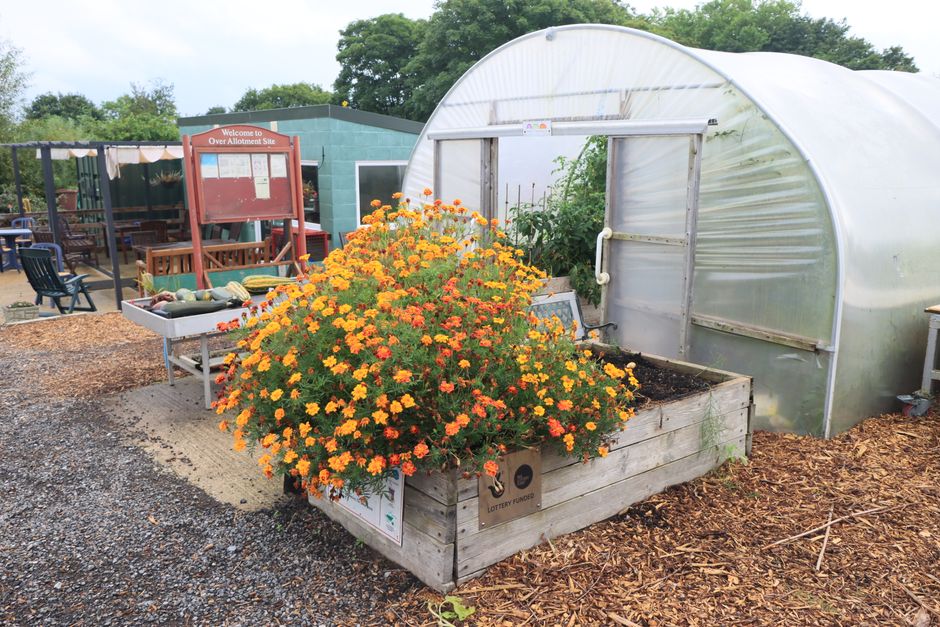
A raised bed is a framed growing space built above the surrounding soil. The frame holds the growing medium in place and creates a controlled root zone. That means you can improve drainage, amend the soil more easily, and define the planting area cleanly. Simple enough. But the way it works in real life depends on three things: structure, fill, and siting.
Structure is the frame itself. Timber is common, but brick, stone, and composite materials are also used. The material needs to resist moisture and movement. If the frame bows or rots early, the whole bed becomes awkward to manage.
Fill is the growing medium inside the bed. You are not just chucking in "topsoil" and hoping for the best. Most good raised beds use a blend that drains well yet still holds nutrients and moisture. In UK conditions, this balance matters a lot, especially in spring when seedlings need warmth and in summer when beds can dry quickly after a spell of sun. Yes, it can happen. Occasionally.
Siting means where you place the bed. Sunlight, access, wind exposure, and drainage all matter. A bed tucked into a gloomy corner may grow leafy crops, but fruiting crops like tomatoes or peppers usually want more light. A low spot where water pools after rain can lead to soggy roots. That is not a tiny issue; it can undo a good build.
There is also a practical rhythm to working with raised beds. You sow, plant, mulch, water, and top up the soil as the material settles. The whole system is meant to be manageable. You notice problems quicker too, which is useful. A plant drooping in a raised bed often tells you exactly what's wrong, and that can save time.
Key Benefits and Practical Advantages
Raised beds are popular for good reasons, and not just because they look neat in photos. In a UK garden, the benefits are practical and often immediate.
- Better drainage: especially useful in heavier soils that stay wet for too long.
- Improved soil control: you can create a fertile, tailored mix instead of fighting poor ground.
- Earlier warming in spring: the soil tends to warm faster, which can help with early sowing.
- Less compaction: you are not repeatedly walking on the growing area.
- Easier access: reduced bending and clearer edges make maintenance simpler.
- Cleaner layout: raised beds create structure, especially in small or awkward gardens.
One advantage people sometimes overlook is the psychological one. A tidy raised bed can make a garden feel more "ready to use." If you've ever looked at an overgrown patch and felt slightly defeated, you'll know what I mean. A clear frame, fresh soil, and defined rows can reset the whole space.
They're also helpful where the existing ground is contaminated, stony, or just not worth fighting with. That said, a raised bed is not magic. It still needs good soil, regular watering, and a sensible crop plan. Think of it as better control, not effortless gardening.
If you are already working on the wider garden, beds can sit neatly alongside garden fence installation or even a new lawn turf installation, helping the whole space feel more intentional.
Who This Is For and When It Makes Sense
Raised beds suit a lot of gardeners, but they're especially useful if one of these sounds familiar:
- Your soil is heavy clay and drains slowly.
- You live in a built-up area where garden ground quality is patchy or compacted.
- You want to grow vegetables, herbs, or salad crops in a contained space.
- You need better access because bending or kneeling is uncomfortable.
- You want a neater layout for a small or medium garden.
- You're building a productive space for a family garden and want clear planting zones.
They make sense for both experienced gardeners and beginners. In fact, beginners often benefit most because a raised bed removes some of the variables that make outdoor growing frustrating. You're not starting with mystery soil and no structure. You're starting with a manageable system.
They also make sense when a garden has been cleared or reset. After a major tidy-up, it is often easier to introduce beds than to try reviving a patch of tired ground in place. If the space needs a full refresh first, something like garden clearance can be part of the preparation. Nothing glamorous there, but it matters.
Truth be told, raised beds are not always the right answer. If you have deep, healthy soil and plenty of ground space, direct planting can still be the best route for some crops. But in most UK domestic gardens, raised beds are a very strong option.
Step-by-Step Guidance
Here's the part most people want: how to build it without overcomplicating things. Keep it practical. Keep it level. And don't rush the prep, because that's where most "why is this wobbling?" problems begin.
1. Choose the location
Look for a spot with enough sun for the crops you want to grow. Most vegetables want a decent amount of light, while leafy greens tolerate a little shade. Also think about access. You want to reach the bed from both sides if possible, or at least comfortably from one side without stretching like a circus act.
Check drainage after rain. If water sits there for hours, that corner may need extra preparation. A raised bed helps, but it cannot completely cure a badly waterlogged site on its own.
2. Decide the size and height
There is no single perfect size, but common garden-friendly dimensions are practical for a reason. Keep the width narrow enough to reach the middle without stepping inside. Height depends on your goals. A lower bed may suit salads and shallow-rooted plants, while a taller bed can be better for root vegetables or easier access.
As a rule of thumb, choose proportions that make weeding, watering, and harvesting simple. If it looks impressive but is awkward to tend, it's probably too big.
3. Pick the material
Timber is the classic choice, especially for a natural look. Choose durable, garden-suitable timber and think about lining or treating it appropriately for outdoor use. Brick and stone can last longer and suit more formal gardens, but they take more effort to build. Composite boards can be tidy and low-maintenance, though the appearance may not suit every space.
The best choice depends on budget, lifespan, and the look you want. Don't pick the cheapest material if you want the bed to last a good number of seasons. That's one of those lessons people learn once, usually after a wet winter.
4. Prepare the base
Remove weeds, old turf, rubble, and anything that will interfere with the bed. If the existing soil is compacted, loosen it lightly. Some gardeners add a weed membrane underneath, though opinions differ. A permeable base and good prep are usually more important than fancy underlayers.
If you're building over poor ground, make sure you do not trap water. Drainage still needs a path through the bottom, not a sealed box effect.
5. Assemble the frame
Build the frame square, level, and firmly anchored. If one corner is out, the whole bed can twist over time. Use fixings suitable for outdoor conditions and check alignment before fully tightening everything. A spirit level is not glamorous, but it earns its keep.
For longer beds, add internal supports so the sides do not bow under soil pressure. This is one of those boring details that saves you grief later.
6. Fill the bed properly
Use a fertile, free-draining mix suited to what you plan to grow. Many gardeners use a layered approach, with coarser material lower down and finer growing medium on top, but the exact method depends on the bed depth and purpose. The key is consistency and drainage.
Do not use rubbish fill at the bottom just because it's there. It may save a bit of money, but poor fill can cause settling, uneven moisture, and disappointing growth. You want stable, living soil. Not a mystery pile.
7. Water, settle, and top up
Once filled, water the bed thoroughly so the material settles naturally. You'll often need to top up after a few days or weeks, especially if the mix has compacted slightly. That's normal. Beds settle; gardens do that.
Then plant according to crop needs, spacing, and season. In the UK, a spring build can lead straight into summer planting, while an autumn build gives you time to settle the bed before the main growing season.
8. Mulch and maintain
Mulch helps hold moisture, suppress weeds, and protect the soil surface. Organic mulch works well in many beds, especially where you want to keep the soil active and healthy. After that, keep an eye on watering, especially in hot spells or if the bed is sheltered from rain.
A good raised bed becomes easier to manage over time, but only if you keep feeding the soil. The "build it once and forget it" fantasy is charming. Not realistic, though.
Expert Tips for Better Results
These are the small things that often separate an okay bed from a genuinely good one.
- Orient taller beds carefully: in some gardens, placing them north-south can help reduce shading of shorter crops.
- Plan access before you build: leave enough room for a barrow, watering can, or hose movement.
- Use a mix of crop types: combine quick crops like salad leaves with longer growers so the bed stays productive.
- Think about irrigation early: a simple watering plan saves time in summer.
- Top dress annually: a little compost each year keeps the bed lively and rich.
- Label planted rows: especially if you like sowing several things at once and then forgetting what was where. Happens to the best of us.
One practical trick is to build in stages if your garden is large or awkward. A single test bed can show you how the light moves and how the soil behaves before you commit to a bigger layout. That's a calm way to work, and it prevents expensive guesswork.
Another useful point: raised beds near fences or walls can dry out faster because of reflected heat and shelter from rain. Handy in a cool spring, not so handy in a dry July. Adjust watering accordingly.
Common Mistakes to Avoid
Some mistakes show up straight away. Others take a season to reveal themselves. Here's what to watch for.
- Making the bed too wide: if you can't reach the centre, maintenance becomes a nuisance.
- Ignoring drainage: raised does not automatically mean well-drained.
- Using poor-quality timber: if it rots quickly, you'll be rebuilding sooner than you expected.
- Filling with compacted or lifeless soil: plants need air as much as water.
- Building on uneven ground without levelling: this leads to stress on the frame and uneven settling.
- Forgetting long-term access: think about pruning, harvesting, and hauling compost before the first board goes down.
- Overcrowding plants: it looks full quickly, yes, but it can reduce airflow and growth.
Another quiet mistake is choosing the wrong bed for the wrong crop. A shallow, narrow bed may be fine for herbs and cut-and-come-again leaves, but parsnips, carrots, or larger root systems may need more depth. Match the bed to the crop, not just the look.
And while we're here: don't treat the frame as the main event. The frame matters, but the soil is where the actual growing happens. That's the bit people forget when they get excited by neat timber corners.
Tools, Resources and Recommendations
You do not need a workshop full of specialist kit. A sensible tool list is usually enough.
- Measuring tape
- Spirit level
- Spade and fork
- Hammer or drill/driver, depending on the build
- Saw for cutting boards
- Gloves
- Wheelbarrow or buckets for moving soil
- String line or pegs for marking out the footprint
If the site is overgrown or cluttered before you start, clearing and tidying the area first makes the build easier and cleaner. In many gardens, the best long-term results come from pairing the bed project with wider preparation and upkeep, such as garden services or routine gardener support when you want the rest of the plot brought under control at the same time.
For bigger garden changes, it is also worth looking at the broader layout. A bed can work beautifully alongside a new path, a small patio, or improved boundary planting. If you are already thinking in those terms, garden landscapers can help turn the idea into a coherent plan instead of a collection of separate jobs.
Recommendation-wise, keep the first build modest if you are unsure. One well-made bed teaches you a lot. Then you can decide whether to add two more, alter the height, or change the crop mix. That's the sensible route. No need to build an entire allotment on day one.
Law, Compliance, Standards, or Best Practice
For most domestic gardens, a raised bed is a straightforward project and usually does not involve complicated formalities. That said, it is still sensible to keep a few UK best-practice points in mind.
If your bed is near a boundary wall, shared fence, or access route, be considerate about height, overhang, and maintenance access. In shared or rental settings, it is wise to check the property rules, lease terms, or neighbour agreements before building. If you are unsure, getting advice early can save a conversation later that nobody enjoys.
For materials, use products intended for outdoor garden use and follow the manufacturer's guidance where available. If you are using treated timber, choose something suitable for its intended contact with soil and moisture. It is also sensible to avoid questionable reclaimed materials if you do not know what they contain. A rustic look is charming; an unknown chemical history is not.
From a safety perspective, keep fixings secure, corners smooth, and paths around the bed free of trip hazards. If the bed is part of a larger project involving heavy lifting or complex landscaping, professional help can reduce risk. That may sound obvious, but people underestimate the awkwardness of moving wet soil around a tight garden in the rain. Been there, regretted that.
Best practice, in plain English, is simple: build in a way that is safe, durable, and respectful of the site. If the bed is stable, drains well, and is easy to maintain, you are on the right track.
Options, Methods, or Comparison Table
Different raised bed approaches suit different gardens. Here's a clear comparison to help you choose.
| Option | Best for | Pros | Trade-offs |
|---|---|---|---|
| Timber raised bed | Most domestic gardens | Natural look, relatively affordable, easy to shape | May need replacing sooner than masonry if not chosen carefully |
| Brick or stone bed | Long-term permanent layouts | Durable, tidy, often suited to formal spaces | More labour, more cost, less flexible if you want to redesign later |
| Composite bed | Low-maintenance preferences | Can resist rot well, tidy finish | Appearance and cost may not suit everyone |
| Deep bed for veg | Root crops and heavier planting | Better root room, easier moisture management | Needs more material and careful planning |
| Low bed for herbs/salads | Small spaces and easy access | Quick to build, useful near the kitchen | Less suitable for larger root systems |
If your wider outdoor area is also in need of repair or refreshing, a bed can sit alongside improvements such as landscaping or even practical surface cleaning like patio cleaning. The point is not to overcomplicate things, but to see the garden as a whole space. One improvement often reveals the next.
Case Study or Real-World Example
Here's a realistic example from the kind of small UK garden many people have: a modest back garden with patchy lawn, compacted soil near the fence line, and a sunny area that never quite got used properly. The owners wanted a productive space for herbs, salad leaves, and a few tomatoes, but they didn't want the garden to feel crowded.
The solution was two rectangular raised beds placed where the light was strongest and access was easiest. The original ground was cleared back, levelled, and checked for drainage. The beds were built wide enough for growing, but not so wide that the middle became difficult to reach. Soil was mixed carefully rather than filled at random, and the edges were finished neatly so the beds felt like part of the garden rather than add-ons.
What changed most was not just the planting. It was the whole feel of the space. The beds created a stronger layout, the planting was easier to manage, and the garden suddenly had a purpose. The owners could water quickly, harvest often, and keep on top of weeds without feeling like they were fighting the ground every weekend.
That is usually the real value of a good raised bed build. Not a dramatic transformation. A practical one. Quietly better, season after season.
Practical Checklist
Use this checklist before you start. It keeps the build grounded, which is exactly what you want.
- Have you chosen a sunny, accessible spot?
- Have you checked whether the ground holds water after rain?
- Have you decided on a bed size you can actually maintain?
- Have you chosen material suited to UK weather and long-term outdoor use?
- Have you prepared the ground and removed obvious weeds or debris?
- Is the frame square, level, and properly fixed?
- Have you planned enough depth for the crops you want?
- Do you have a suitable soil and compost mix ready?
- Have you considered watering access and mulch?
- Will the bed still be easy to reach, harvest, and maintain next month, not just today?
Expert summary: the best raised beds in UK gardens are not the fanciest ones. They are the ones that match the site, use decent materials, and make day-to-day gardening easier. Keep it simple, but not sloppy.
Conclusion
A raised bed is one of the most useful upgrades you can make in a UK garden. It gives you control over soil, drainage, access, and layout in a way that flat ground often doesn't. More importantly, it gives you a practical growing space that can adapt to the way you actually garden, not the way a brochure says you should.
If you plan it well, build it square, and fill it properly, the bed will pay you back in easier planting, better crops, and a garden that feels more organised from the first season onward. Start with the site, respect the soil, and keep the design honest. That is usually where the good gardens begin.
If you want help turning a rough patch into something tidy, productive, and easier to live with, the next step is simple.
Get a free quote today and see how much you can save.
And if you do build one this year, give yourself a moment to enjoy the first neat row of seedlings. It's a small thing, but a satisfying one.
Frequently Asked Questions
What is the best size for a raised bed in a UK garden?
The best size is one you can reach across without stepping into the bed. For most gardens, a manageable width is more important than making it as large as possible. If the bed is too wide, weeding and harvesting become awkward fast.
How deep should a raised bed be for vegetables?
That depends on the crops. Shallow-rooted herbs and leaves need less depth, while root vegetables and larger crops benefit from more. If you want mixed planting, a deeper bed gives you more flexibility and less stress about root room.
What is the best material for a raised bed?
There is no single best material. Timber is popular because it looks natural and is relatively easy to work with. Brick and stone are durable, while composite materials can be low-maintenance. The right choice depends on budget, appearance, and how permanent you want the bed to be.
Do raised beds need drainage holes?
Usually, the main concern is not holes but overall drainage through the base and soil structure. A raised bed should not act like a sealed container. If water has nowhere to go, roots can struggle, especially in wet UK weather.
Can I put a raised bed directly on grass or soil?
Yes, but the ground should be prepared first. Remove turf, weeds, and debris, and make sure the bed sits level. If the site is uneven or very compacted, a bit of groundwork first will save time later.
Do raised beds dry out faster?
Often, yes. They can dry out faster than ground-level soil, especially in summer or in sheltered spots near walls and fences. That means regular watering and mulch become more important.
Are raised beds good for small gardens?
Very good, actually. They help create structure and make small spaces feel more organised. They also let you grow more intensively in a compact footprint, which is handy in terraces, courtyards, and narrow back gardens.
How much does it cost to build a raised bed?
Costs vary depending on size, material, and whether you build it yourself or have it installed. Timber beds are often more economical, while brick or stone usually cost more because of labour and materials. It is best to compare options based on lifespan, not just the initial price.
What should I fill a raised bed with?
A good raised bed mix should be fertile, well-draining, and suitable for the plants you want to grow. Many gardeners use a blend of topsoil, compost, and other organic material. Avoid filling it with poor-quality rubble or compacted waste just to save money.
Can I grow tomatoes in a raised bed?
Yes, and they often do well if the bed gets enough sun and the soil is rich and free-draining. Tomatoes like warmth and consistent watering, so a raised bed can suit them well in many UK gardens.
When is the best time to build a raised bed?
Spring and early autumn are both sensible times. Spring lets you build and plant in the same season, while autumn gives the bed time to settle before the next growing year. To be fair, the best time is often whenever the garden is clear enough to do it properly.
Do raised beds need maintenance every year?
Yes, but usually not much. You should top up the soil, add compost, check the frame, and keep an eye on drainage and watering. A little yearly care keeps the bed productive and tidy.
Will a raised bed help if my garden soil is poor?
Yes, that is one of the main reasons people build them. A raised bed lets you bypass poor soil and create a better growing environment from the start. It won't solve every garden problem, but it does make a huge difference in many UK plots.